

Procurement Wiki
Procurement Definition
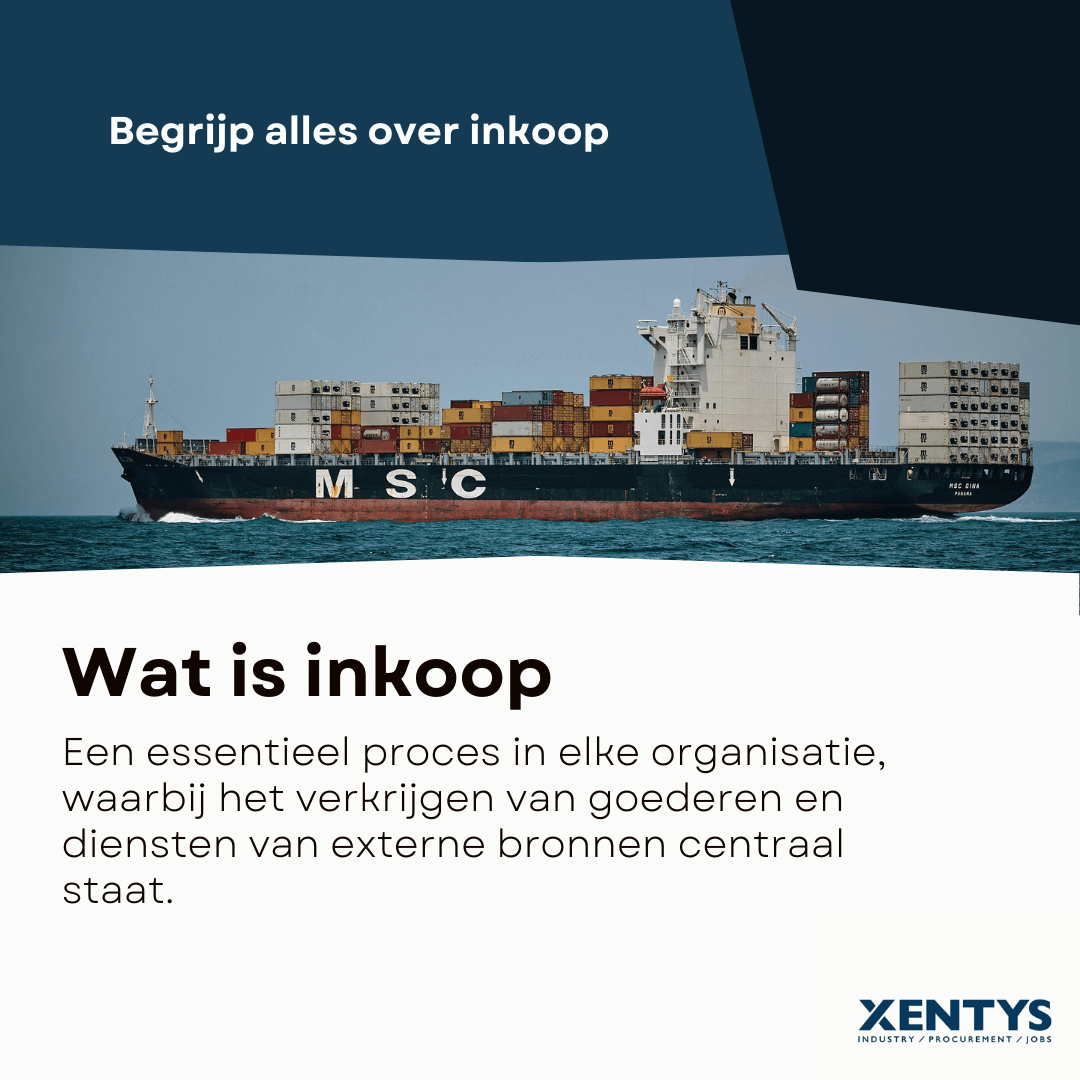
Purchasing, also called procurement, refers to the process in obtaining goods and services from external sources, and is a crucial part of a business.
It includes not only the actual procurement of these goods, but also the strategic selection of suppliers, contract management and managing relationships with suppliers.
Purchasing plays a key role in controlling costs, ensuring the quality of goods and services, and guaranteeing efficient and effective production processes.
In one sentence
Purchasing, also called procurement, refers to the process in obtaining goods and services from external sources, and is a crucial part of a business.
What is a Sourcing Strategy?
The process of purchasing is not limited to simply placing orders. It involves a series of steps beginning with the identification of the business need and ending with the payment and integration of the goods or services purchased into the business. This process can vary depending on the nature and complexity of the goods or services being procured.
In an era where digitization and technology are becoming increasingly important, procurement plays a crucial role in supporting sustainable business operations. The purchasing department is responsible for carefully considering factors such as cost, quality, availability and sustainability when making purchasing decisions. It is a dynamic field that constantly adapts to changing market conditions and business demands.
By working closely with suppliers and using cross-functional teams, organizations can respond faster to customer needs, foster innovation and achieve sustainable results. Thus, Agile Procurement not only supports an efficient procurement model, but also contributes to the overall agility and competitiveness of the organization.
In-depth analysis of procurement processes
The importance of procurement in business operations
Procurement is not just a matter of acquiring goods; it is a strategic process that directly affects a company’s overall operations.
The procurement function plays a critical role in managing costs, improving business efficiency and driving innovation. Through effective procurement practices, companies can realize significant cost savings, which is essential to maintaining their competitive advantage.
In addition, a well thought out procurement strategy helps identify and develop lasting relationships with suppliers, leading to better quality and reliability of products and services.
Strategic, tactical and operational Procurement
Procurement processes can be divided into three main categories: strategic procurement, tactical procurement and operational procurement.
Strategic sourcing focuses on long-term decisions and developing strong relationships with key suppliers. This includes analyzing market trends, assessing the supplier market, and developing purchasing strategies that align with overall business goals.
Tactical procurement, on the other hand, deals with medium-term planning, which involves managing and optimizing existing supply contracts.
The “van Weele” procurement process focuses on day-to-day purchasing activities, such as placing orders and managing the receipt of goods.
Using analysis tools
The use of various analysis tools plays an important role in the procurement process. This includes ABC analysis, which helps categorize assets based on their importance and the amount of resources spent on them.
SWOT (Strengths, Weaknesses, Opportunities, Threats) analysis is also often used to align procurement strategies with overall business strategy.
Dependence on suppliers and sustainable procurement
Another important aspect of procurement is managing supplier dependence.
Companies seek the optimal balance between dependence and independence to minimize risk and ensure security of supply.
Sustainable procurement is becoming increasingly important, with companies focusing not only on cost but also on the environmental and social impact of their purchasing decisions.
The role of technology in procurement
In today’s digital world, technology plays a crucial role in the procurement process.
The use of Internet technology and e-procurement systems has led to more efficient and transparent procurement processes.
This enables companies to respond more quickly and effectively to market changes, which is essential in an increasingly dynamic world.
Procurement is a dynamic and multidimensional field that is an integral part of the overall business strategy.
An effective procurement strategy can add significant value to an organization, not only in terms of cost savings, but also in driving innovation and sustainability.
Procurement knowledge
Find our free white papers and knowledge on technical procurement. Unlock insights into procurement with xentys. Discover white papers and expertise on technical procurement to enhance your career or business strategies.
On this page
25+
Years active in industrial procurement
750+
Buyers placed
15,000+
Professionals in our network
4.6 ★
Rating on Google
FAQ
Frequently Asked Questions about Sourcing Strategy
What is the definition of procurement and why is it important?
Procurement, also called procurement, refers to the process of obtaining goods and services from external sources.
It is important because it contributes to cost control, quality assurance, and keeping production processes running efficiently.
Through strategic purchasing, a company can obtain favorable terms and maintain its competitive advantage.
How does a company select the right supplier?
Selecting the right supplier is based on criteria such as price, quality, delivery reliability, and innovative capability.
It is essential to choose a suitable supplier that meets business needs and supports strategic goals.
Arjan van Weele’s procurement models can help with this to follow a structured selection process.
What is the importance of procurement procedures?
Procurement procedures ensure consistency and transparency in the procurement process.
They help ensure compliance with internal and external rules, such as the Works Procurement Regulations and municipal purchasing conditions.
By having clear procedures, companies can negotiate favorable terms and ensure integral quality assurance.
What role does time play in the procurement process?
Time is a crucial factor in the procurement process.
It is important that products and services are delivered on time so as not to disrupt production processes.
Properly timed procurement ensures that the final product is delivered on time and minimizes inventory costs.
What is the difference between LTBC and LBBC suppliers?
LTBC (Long-Term Business Collaboration) vendors are strategic partners with whom long-term relationships are maintained.
LBBC (Long-Term Business Collaboration) vendors, on the other hand, provide shorter-term structural support.
The difference is mainly in the duration and intensity of the collaboration.
How do price and quality influence the choice of suppliers?
Price and quality are determining factors when choosing suppliers.
The right value for money helps control costs and deliver products that meet expected standards.
It is important to strike a balance between affordability and quality to achieve optimal results.
What are the benefits of alternative procurement procedures?
Alternative procurement procedures, such as negotiated contracts, can be faster and more flexible than traditional procedures.
They offer the opportunity to select specific suppliers who specialize in certain products or services, which can lead to more innovative and efficient solutions.
How does procurement contribute to a company's financial policies?
Procurement plays a key role in a company’s financial management by controlling costs and minimizing financial risks.
By implementing effective procurement strategies, companies can optimize earnings per share and improve financial health.
What is the importance of contract management in procurement?
Contract management is essential to ensure that both the company and the supplier adhere to agreed terms.
This helps minimize risk and maximize value from supplier relationships.
A good contract management system can lead to better compliance and fewer disputes.
How can companies use Internet technology in the procurement process?
Internet technology can make procurement processes more efficient and transparent.
E-procurement systems enable companies to respond faster to market changes, perform better data analysis, and manage supplier relationships more effectively.
This leads to an improved procurement function and increased organizational agility.
Procurement knowledge
Go deeper than the definition.
Find our free whitepapers and knowledge on technical procurement. Discover expertise on technical procurement to enhance your career or business strategy.
27 pages
Reduce Total Cost of Ownership with the Kraljic Matrix
Download our free whitepaper and learn how to optimize your procurement strategy.
HIRING, OR BEING HIRED?
Benchmark a role, or your next move.
Tell us the role and we'll give you a live salary read and a shortlist of the right people, usually within one working day.